The Jewish Holidays in September 2026
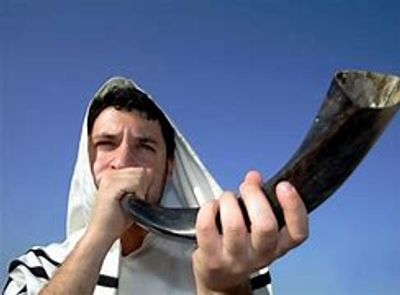
Rosh Hashanah,1-2 Tishrei/Steptember 12-13, 2026
Rosh Hashonah - The Jewish New Year is a time for reflection on our actions so that we can correct our course. The traditional Rosh Hashonah greeting is "L'shana tovah ticotavu" (May you be inscribed for a good year"). The metaphor is that G_d has a ledger book in which it will be written who will live and who will die in the New Year. For the 10 days between Rosh Hashonah and Yom Kippur (the Day of Atonement), the book remains opened, but it is sealed on the Day of Atonement and one's fate is determined.
Fast of Gedalia, 4 Tishrei/September14
Gedaliah was the governor of Judah, appointed by Nebuchadnezzar, who was assassinated shortly after the fall of the First Temple. This is considered a minor holiday, observed by a fast that begins at sunrise and ends at sunset on the same day (most Jewish holidays begin the night before; this is an exception). The details of Gedaliah's assassination are described in 2 Kings 25:25-26 and Jeremiah 41.
Yom Kippur, 10 Tishrei/September21, 2026
Other than the Sabbath, Yom Kippur (the Day of Atonement) is the most solemn day on the Jewish calendar. There is a 24-hour fast initiated by a prayer, Kol Nidre, in which we ask G_d to forgive all our vows and oaths. The holiday ends with N'ila, the closing service, which traditionally concludes when three stars are visible in the sky.
Succoth, 15-21Tishrei/September21-October 2, 2026
Succoth is the Feast of the Booths. In the ancient world, this harvest festival was the biggest of the three pilgrimage holidays (Passover and Shavuoth being the other two). At the time of Ezra, everyone congregated in Jerusalem to hear a reading of the Torah. The holiday commemorates the temporary structures in which the Children of Israel lived as they crossed the Wilderness. This holiday lasts 7 days, and observant families eat in temporary booths connected to their homes. The invite guests, including the spiritual guests, Ushpizin, associated with this holiday.